
Gambling through the ages a historical exploration of chance and luck
The Origins of Gambling
The history of gambling can be traced back thousands of years, with the earliest evidence found in ancient China. Archaeological discoveries suggest that rudimentary games of chance involving dice were played around 2300 BC. This early form of gambling was not just for entertainment but was often intertwined with religious practices and rituals, showcasing humanity’s long-standing fascination with luck and fate. In modern contexts, many are drawn to the excitement of games at a best online casino real money, where the thrill of chance continues to be a major attraction.
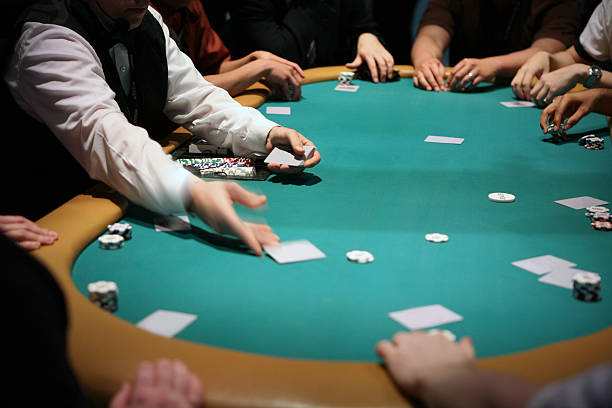
As societies evolved, so did the methods of gambling. The Romans embraced games of chance, with dice games becoming immensely popular among soldiers and citizens alike. This cultural shift demonstrated that gambling was no longer just a private affair; it became a social activity, bridging gaps between different classes and fostering a sense of community through shared risk and reward.
The Influence of the Middle Ages
The Middle Ages marked a significant turning point in the world of gambling. During this period, various forms of gambling, including card games, gained popularity across Europe. The introduction of playing cards, likely originating from Asia, created new avenues for chance and skill to intertwine. Games such as blackjack and poker began to emerge, establishing frameworks that would dominate the gambling landscape for centuries to come.
However, the church’s stance on gambling during the Middle Ages was largely negative, considering it a vice. Despite this, underground gambling activities thrived, hinting at a rebellious spirit among the populace. The tension between societal norms and the allure of risk took shape, laying the groundwork for the intricate relationship people have with gambling today.
The Rise of Casinos
The 17th and 18th centuries witnessed the birth of the modern casino. The first official gambling house opened in Venice in 1638, signaling a shift towards organized gambling in an environment designed for entertainment. This period also saw the establishment of games that combined skill and chance, such as roulette and baccarat, appealing to a growing upper class eager to indulge in risk.
As gambling establishments gained popularity, they became extravagant venues that offered not just games but also dining, music, and dancing. This transformation reflected society’s increasing acceptance of gambling as a legitimate form of entertainment, paving the way for the grand casinos that would later flourish in cities like Las Vegas and Monaco.
The Modern Era of Gambling
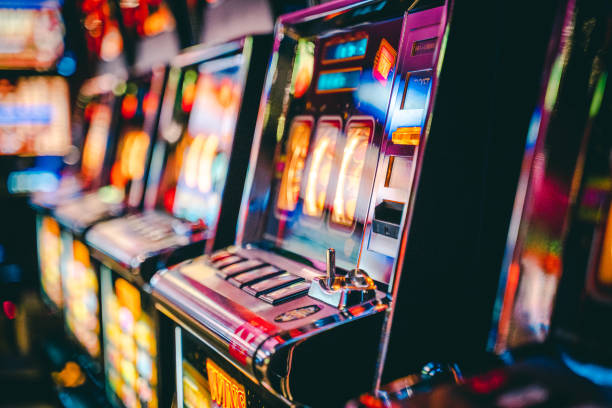
The 20th century ushered in a new era of gambling, characterized by technological advancements and regulatory changes. The legalization of casinos in various jurisdictions led to a boom in the gambling industry, with Las Vegas emerging as the epicenter. This period saw the introduction of slot machines and online gambling, making games of chance accessible to a broader audience than ever before.
Today’s gambling landscape is a blend of chance, skill, and technology. Players can engage in traditional games while also exploring innovative online platforms that utilize sophisticated algorithms and random number generators. The juxtaposition of luck versus skill remains at the forefront of discussions among gamblers, with each group advocating for their approach to success.
Exploring the Role of Luck and Skill in Gambling
As gambling has evolved, so has the debate surrounding the role of luck and skill in games of chance. Some argue that games like poker require a higher level of skill and strategy, while others maintain that luck plays an equally significant role. This ongoing discussion reflects the personal experiences of gamblers, where individual stories often dictate their beliefs about winning and losing.
Understanding the balance between luck and skill enhances the appreciation of gambling as a multifaceted activity. The psychological aspects, such as risk perception and decision-making under pressure, also contribute to players’ experiences, making each game unique. This blend of chance and strategy continues to captivate enthusiasts across the globe, ensuring that gambling remains an enduring aspect of human culture.