The evolution of gambling Uncovering the history behind the games of chance
Origins of Gambling in Ancient Civilizations
The history of gambling dates back thousands of years, with evidence found in various ancient civilizations. In Mesopotamia, dice made from animal bones were used for gaming, while the Egyptians engaged in betting activities that involved various games. These early forms of gambling were often linked to rituals and divination, demonstrating that chance had a significant cultural and spiritual role in society. Today, you can find resources on online betting sites that reflect this long-standing tradition in modern formats.

As gambling spread, different societies adopted unique methods and games. The Chinese created the earliest known gambling game, which involved Keno slips, around 200 BC. Similarly, ancient Greeks and Romans incorporated gambling into their everyday life, participating in games like dice and betting on chariot races, which became popular social activities.
The Influence of the Middle Ages
During the Middle Ages, gambling underwent a transformation influenced by cultural and legal factors. With the rise of organized religion, many regions began to view gambling with suspicion, often associating it with vice. However, despite these challenges, gambling persisted, particularly in the form of card games that became widespread across Europe. The popularity of these games led to the development of the first gambling houses, laying the groundwork for modern casinos.
Additionally, lotteries emerged as a method of raising funds for public projects, such as the construction of roads and schools. Governments began to regulate these activities, recognizing the potential for tax revenue. This evolution reflected a shift in attitudes towards gambling, with its integration into social and economic frameworks becoming more accepted.
The Rise of Modern Gambling
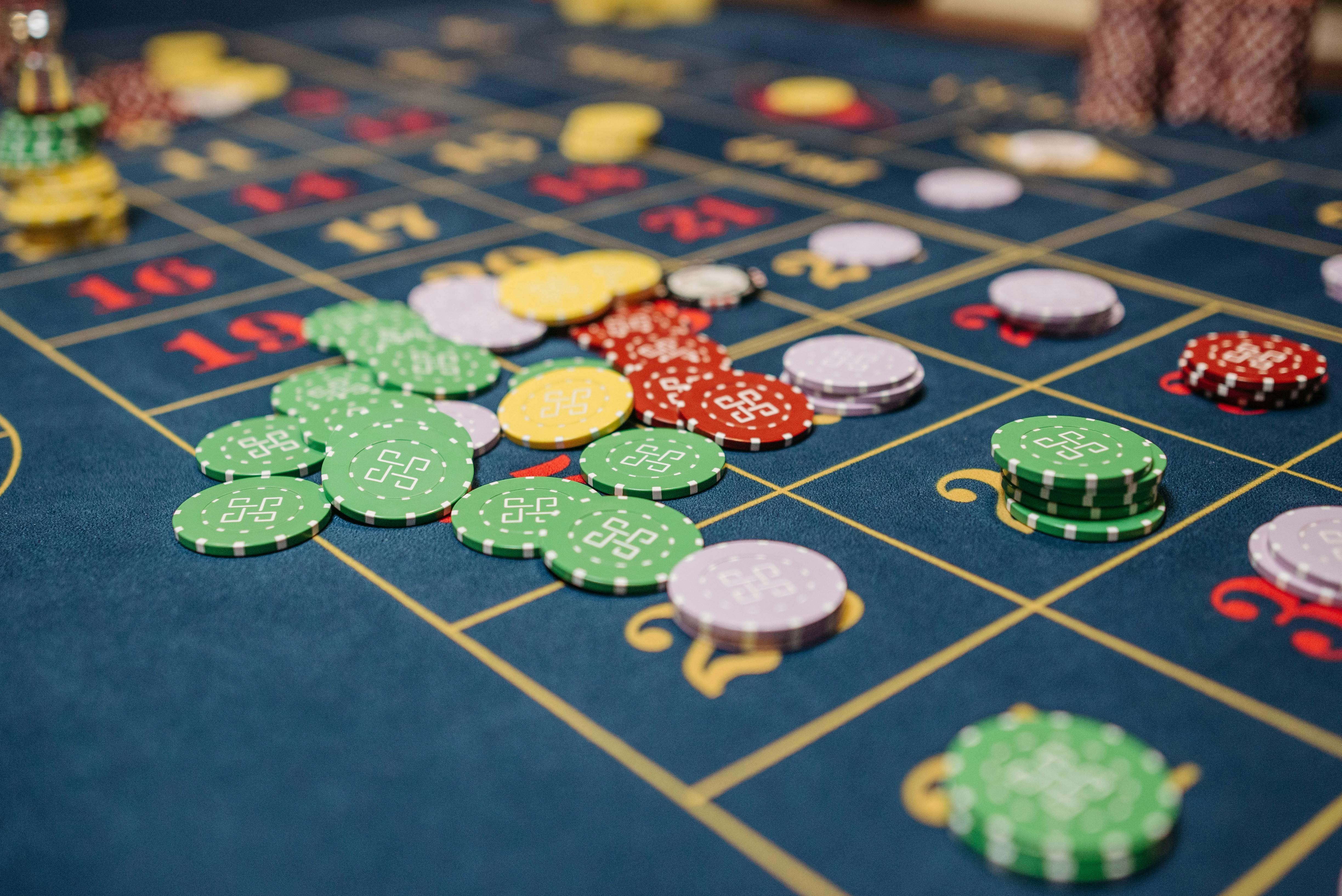
The 17th and 18th centuries marked a significant turning point in the evolution of gambling, particularly with the establishment of formal gambling houses in major cities across Europe. The first official casino opened in Venice in 1638, providing a structured environment for players. This development coincided with the invention of new games, such as roulette, which quickly captured the public’s imagination and contributed to the allure of gambling establishments.
As gambling continued to evolve, the introduction of sports betting began to gain traction, with various sports and events becoming focal points for wagering. This trend was solidified in the 19th century with the rise of betting on horse racing, leading to the creation of betting parlors and the establishment of regulations to protect bettors.
The Digital Age of Gambling
The advent of the internet revolutionized the gambling industry, making games accessible to a broader audience than ever before. Online casinos and sportsbooks emerged in the late 20th century, allowing users to place bets from the comfort of their homes. This shift not only transformed how gambling was experienced but also led to the development of new technologies, including mobile apps that enable gaming on-the-go.
Furthermore, the rise of cryptocurrencies and blockchain technology has introduced innovative payment methods, enhancing security and anonymity in online gambling. As regulations adapt to these advancements, the industry continues to evolve, offering a myriad of options for players worldwide.

Exploring Gambling Today
Today, gambling encompasses a wide range of activities, from traditional games in brick-and-mortar casinos to online platforms that cater to diverse preferences. This evolution reflects the changing attitudes towards gambling, with a growing acceptance of its role in entertainment and leisure. Various regions have established their own laws and regulations to govern gambling practices, ensuring that the industry operates fairly and responsibly. Advanced strategies in managing gambling habits have also become an important topic, contributing to responsible gaming initiatives.
As we navigate the complexities of modern gambling, understanding its rich history provides valuable insights into its future. With technology continuing to advance and new markets emerging, the landscape of gambling remains dynamic, poised for further transformation.



 Em conclusão, os casinos online que aceitam Paysafecard oferecem uma alternativa segura e prática para jogadores que desejam proteger suas informações financeiras enquanto desfrutam de jogos de azar na internet. Com a crescente popularidade desse método de pagamento, é provável que mais casinos adotem a Paysafecard como uma opção viável, atraindo um público ainda maior. À medida que o mercado de jogos online continua a evoluir, a Paysafecard pode se consolidar como uma das principais opções de pagamento, contribuindo para uma experiência de jogo mais segura e agradável.

 Another casino that deserves mention is the MGM Grand. The casino frequently updates its gaming floor with new machines, ensuring that players always have access to the latest and most lucrative options. The RTP at MGM Grand often exceeds the average, with some machines offering payouts of up to 97%. As one of the largest casinos in Las Vegas, the MGM Grand offers a vast selection of slot machines, including both classic and modern video slots.